Why Regular Roof Inspections Matter: Expert Advice From Premier Roofing & Exteriors
Regular roof inspections are essential for property owners looking to preserve their home's value and structural integrity. Premier Roofing & Exteriors underscores the importance of identifying issues before they worsen, which can avoid costly repairs. Recognizing the typical issues and optimal methods for inspections can create a meaningful distinction. Property owners often question the ideal frequency for these inspections and what the process involves. Examining these considerations can uncover valuable information for proper roof care.
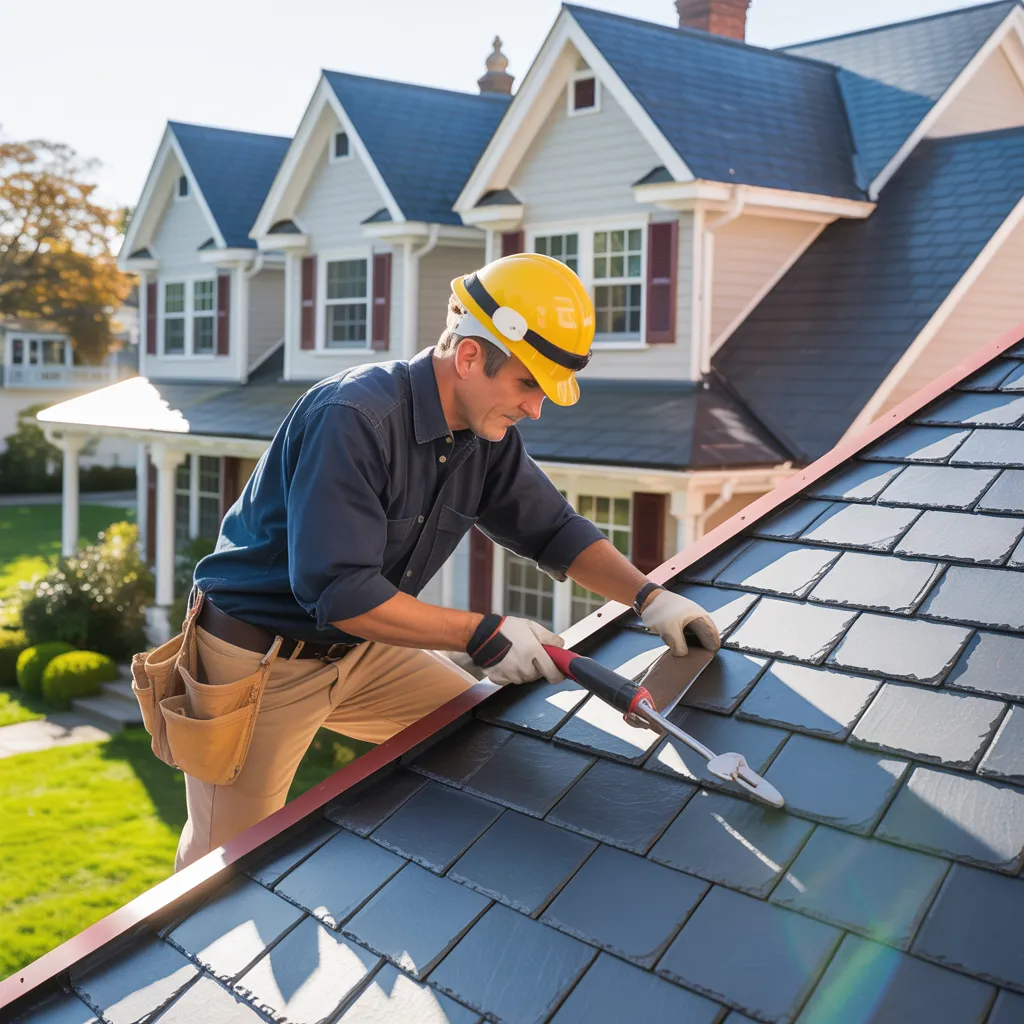
Why Consistent Roof Inspections Are Vital for Homeowners
While many homeowners may overlook the importance of roof inspections, regular assessments are essential to maintaining a home's integrity. Scheduled inspections facilitate the prompt discovery of emerging concerns, minimizing the risk of significant financial burdens from future repairs. Weather elements, age, and environmental factors can gradually weaken a roof, making scheduled assessments vital for extending its lifespan. Homeowners benefit from identifying minor damages before they escalate into significant problems, confirming the roof continues to perform effectively and safely.
In addition, scheduled inspections can boost energy efficiency, as a routinely maintained roof blocks air leaks and sustains temperature regulation. This can lead to reduced energy bills. In addition, several insurance policies call for documentation of maintenance, making inspections critical for claim submissions. When all is considered, scheduling regular roof assessments fosters peace of mind, ensuring that the home remains shielded from environmental elements and potential risks. Making roof inspections a priority represents an investment in the property's overall safety and value.
Identifying Common Roof Problems
Scheduled roof inspections play a vital role in identifying typical problems that homeowners may encounter. As time passes, roofs can develop complications such as missing shingles, which subject the underlying materials to moisture and possible leaks. In addition, damaged or warped shingles could suggest weather-related or age-related damage, necessitating prompt attention.
Another frequent problem is the accumulation of leaves and debris in gutters, which can result in water pooling and harm to both the roof and the house's foundation. Property owners should also be alert to signs of drooping or misaligned sections, as these may point to structural concerns.
In addition, the existence of algae or moss can trap moisture, resulting in further deterioration if not dealt with. By detecting these frequent roof concerns at an early stage, homeowners can prevent potential damage, protecting the longevity and integrity of their roofing systems. Routine inspections make it easier to spot these issues before they become significant repair work.
How Frequently Should You Inspect Your Roof?
At what intervals should homeowners carry out roof inspections? Specialists advise homeowners to inspect their roofs at least two times per year, with the best times being spring and fall. Shifting seasons can compromise the structural integrity of a roof, making periodic inspections critically important. Moreover, property owners should plan inspections after severe weather incidents, like powerful storms or hail events, that may lead to underlying or unseen damage.
Neglecting roof inspections can lead to major repair expenses, as small issues tend to escalate over time. For buildings situated in zones affected by extreme weather, regular inspections may be warranted. Recently installed roofs often need fewer assessments initially, but periodic assessments stay crucial, specifically as the roof matures.
What Takes Place During a Roof Inspection?
When conducting a roof inspection, a qualified inspector thoroughly assesses the condition of the roof, identifying indicators of deterioration and possible concerns. The professional first proceeds to inspecting the roof's surface for missing or damaged shingles, fractures, and additional signs of wear. They further evaluate gutters, flashings, and downspouts to confirm proper drainage and functionality.
Following this, the inspector examines the roof's overall structural condition, identifying sagging areas or uneven surfaces that might signal deeper issues. The inspector may also inspect the attic area for evidence of leaks or moisture, which are known to cause the growth of mold and subsequent damage.
Moreover, the evaluation includes reviewing the status of ventilation systems, checking they are performing effectively to minimize heat accumulation and moisture issues. To conclude, the inspector notes their results, delivering the property owner with a detailed assessment that details the overall condition of the roofing system and any recommendations for maintenance or repairs.
How to Address Common Roof Problems
Addressing common roof problems requires an active maintenance plan to secure the lifespan and integrity of the structure. Residents are advised to consistently check their roofs for visible signs of damage, such as missing shingles, curling edges, or discoloration. If leaks are detected, prompt attention is required; closing cracks with proper compounds can stop additional moisture infiltration.
To address clogged gutters, consistent maintenance is critical, as the buildup of debris can result in water pooling and greater roof deterioration. In addition, monitoring for moss or algae formation is recommended, as such growth can hold moisture and result in structural decay.
In cases of severe damage, such as serious rot or structural concerns, it is advisable to consult a professional roofing contractor. Timely intervention not only reduces repair expenses but also prolongs the roof's lifespan. Ultimately, keeping a watchful eye and tackling these issues without delay is vital for preserving roof integrity.
The Long-Term Benefits of Maintaining Your Roof's Integrity
Keeping a roof in good condition delivers meaningful long-term advantages that every homeowner should take into account. Routine maintenance can help avoid expensive repairs, making certain that small problems do not worsen over time. Additionally, a well-maintained roof can extend its lifespan and enhance overall energy efficiency, contributing to lower utility bills.
Prevent Costly Repairs
Routine roof evaluations can significantly lower the likelihood of costly repairs over time. By identifying minor issues early, homeowners can address problems before they develop into major damage. A small leak, for instance, can lead to extensive water damage and mold growth if left unchecked. Periodic evaluations allow for timely maintenance, which significantly minimizes repair expenses. Additionally, assessments can expose underlying vulnerabilities, such as damaged shingles or deteriorating flashing, ensuring that these issues are corrected in a timely manner. Investing in routine roof evaluations not only safeguards a home's integrity but also enhances its overall value. Consequently, prioritizing roof inspections is a wise financial decision that protects against unexpected costs and maintains the property's condition in the long run.
Maximize Roof Lifespan
Although many homeowners tend to neglect the significance of roof upkeep, disregarding this critical factor can substantially diminish a roof's durability. Consistent evaluations and maintenance enable the detection of minor concerns before they develop into major ones, protecting the roof's foundational strength. Over time, weather elements like UV rays, rain, and snow can cause wear and tear. Addressing problems such as loose shingles, rust, or debris buildup can prevent significant damage that necessitates costly repairs or replacements. By committing to routine inspections, homeowners can guarantee their roofing system remains functional and Premier Roofing & Exteriors reliable for years to come. This preventative mindset not only lengthens the roof's serviceable life but also boosts the property's total value, establishing it as a prudent investment in homeownership.
Increase Energy Efficiency
A well-maintained roof can substantially boost a home's energy efficiency, leading to significant savings over time. Scheduled inspections help identify issues such as missing shingles or inadequate insulation, which can result in energy inefficiency. By addressing these problems promptly, homeowners can prevent heat from escaping in winter and minimize air conditioning costs in the warmer months. Additionally, a roof in great shape reflects sunlight effectively, reducing the reliance on air conditioning. High-performance roofing materials, frequently suggested during roof inspections, can further optimize performance. Ultimately, preserving the condition of the roof not only contributes to lower utility bills but also encourages an environmentally friendly lifestyle. This preventative method secures lasting energy efficiency advantages for homeowners.
Commonly Asked Questions
How Much Do Roof Inspections Usually Cost?
The typical cost of roof inspections falls between $100 and $500, influenced by factors like the home's dimensions, geographic location, and the inspector's level of experience. Some companies may offer free inspections as part of promotional services.
Can I Perform a Roof Inspection Myself?
Absolutely, a homeowner can perform a roof inspection independently. Nonetheless, they should be cautious and knowledgeable about safe practices, as well as associated dangers. Professional evaluations are advised for thorough evaluations and to identify underlying problems.
What Credentials Should a Roofing Inspector Possess?
A qualified roofing inspector should have appropriate credentials, comprehensive knowledge of roofing systems, thorough understanding of building regulations, and comprehensive safety preparation. Additionally, excellent communication skills are critical for properly communicating findings and recommendations to property owners.
Will Homeowners Insurance Pay for Roof Inspections?
Homeowners insurance generally does not include coverage for roof inspections, as this type of service is classified as regular maintenance rather than a covered occurrence. Policy specifics vary, so it's advisable for homeowners to review their insurance terms for clarity.
Where Can I Locate a Trusted Roofing Inspector?
To identify a reputable roofing inspection specialist, one can request suggestions from friends or family, browse online feedback, and confirm qualifications through regional licensing authorities or industry organizations to guarantee consistent quality and dependability in their services.
Comments on “Efficient Services from Premier Roofing & Exteriors”